The Next Step

Over the past few seasons women’s football has taken huge leaps to becoming on a par with the men’s game. Teams are now playing at the main stadium with England Women playing against Germany at Wembley earlier this year and the WSL equivalent of the North London Derby being played at Tottenham’s new stadium. Alongside this the Women’s Super League is now being broadcast live on BT Sport from time to time which means that broadcasting companies are now seeing women’s football as a commodity, a money maker. But it’s not quite there yet, many fans still have no interest in following the female squad of the team they support and a large majority would never have attended a match. I sat down with your everyday male die-hard football fan to find out why.

So what can we learn from this fan insight? It seems that there are a few reasons as to why the everyday football fan has little to no interest in following the women’s team so lets break it down.

Difference in Quality

Football fans want two things, to win and to be entertained and this could be considered difficult in certain tiers of the women’s game. It’s easy for Arsenal fans like myself to follow the women’s team because we can watch a multi million pound team fighting near the top of the Premier League on a Saturday and a world class team fighting to retain the Women’s Super League on a Sunday but what must it be like for fans of other clubs. It’s difficult to see the appeal for Norwich fans like Doeke to watch the women’s team because of the vast gap in quality with the men experiencing the riches so the Premier League and the women playing in the fourth tier of women’s football, the lowest possible professional tier, resembling that of the men’s National League.

The solution to this problem? Time. With the money now being pumped into the game, especially the youth academies via multiple revenue streams such as broadcasting the next generations of female footballers are going to get better and better. We’ve seen over the past few years teams like Manchester United set up women’s teams and invest heavily to help them compete with the best of the best in the higher divisions and the same can be said to numerous other teams. Given time and faith in the academy teams like Norwich will only get better and climb the tiers of football, getting closer to mirror the quality of the men’s team.

Matchday experience

A 65,000 seater, state of the art stadium with a pitch like a carpet. That’s where you go to watch Arsenal, The Emirates Stadium. Ranked as one of the best places to go and watch football the visit to the stadium itself makes up a large portion of the matchday experience and draws fans from all over the globe to watch a match. Now why does this not have the same affect on the women’s game? They don’t play their home matches at The Emirates, they play at Meadow park, a little stadium in Borehamwood home to a National League side with a capacity of 4,500 most of which is standing.

As mentioned in the interview the appeal to visit these lower league stadiums isn’t there and this is something that has been addressed slightly this season with women’s teams being given the opportunity to play one or two games a season at the home ground like Tottenham playing at White Hart Lane and England playing at Wembley. This appeals to the everyday fan with Doeke explaining in the interview that is Norwich Women played at Carrow Road he would want to attend as a Norwich fan but he currently fails to attend women’s games because they are not at a stadium of any decent calibre. The solution is therefore simple, give the women’s team the same facilities by letting them play at the main stadium when the men have an away game and watch the following of the women’s team increase massively.

Awareness

Does the women’s game get the advertisement that it deserve or not? Judging by my conversation with Doeke probably not. Doeke describes himself as a die-hard Norwich fan, going to every game possible and getting as involved with the club as possible and therefore if anyone was to hear about the women’s team it would be him. However it is evident from this interview that the women’s team at Norwich simply isn’t mentioned anywhere near as much as it should be with Doeke struggling to talk about the women’s team in detail specifically what division they play in. He also mentions that on a typical matchday the women’s team is hardly mentioned with fans at the ground not being made aware of upcoming fixtures and results.

If the team is to grow they need fans to attend games and for this to happen they need more exposure to the everyday fan. Arsenal lead the way with this by taking a different approach to Norwich by having the women feature prominently in the men’s matchday program and the upcoming fixtures being mentioned by the stadium announcer before and after kick off accompanied by a location, date and website to book tickets. This is the way forward for women’s football because you can see how this has benefited Arsenal with the ladies team being streaks ahead of most other clubs especially in terms of attendance and therefore following. The following of Arsenal Ladies makes it very appealing for other Arsenal fans to follow suit and it also increases the size of the club globally with players all around the world hearing of the club and aspiring to play for them.

So the answer is simple, increase exposure and effort put into the women’s game and watch the team and the following grow tenfold.
Gunning for Glory

For years comparisons have been drawn between the men’s and women’s game and over the fast few seasons the gap in quality has got closer and closer. Increased focus from football clubs into their ladies academies and centres of excellence have lead to a much clearer and more professional pathway into the women’s game, helping the young players to today become the stars of tomorrow. The media boom surrounding the female side of football has also led to the introductions of role models for young women, for years boys have dedicated their entire adolescence to becoming the next Cristiano Ronaldo and now with the new exposure to women’s football girls can finally aspire to be the next Ellen White or Alex Morgan.

But how big is the difference in quality now, could the girls mix it with the boys? Over the past few years we have seen a slight introduction of mixed gender games with Katie Chapman and Rachel Yankey playing as the first women ever in soccer aid which was a huge step for the women’s game with 41,000 people at Stamford Bridge and millions more on TV seeing female players hold their own, if not excel around some of the best ex-pro mens players of all time.

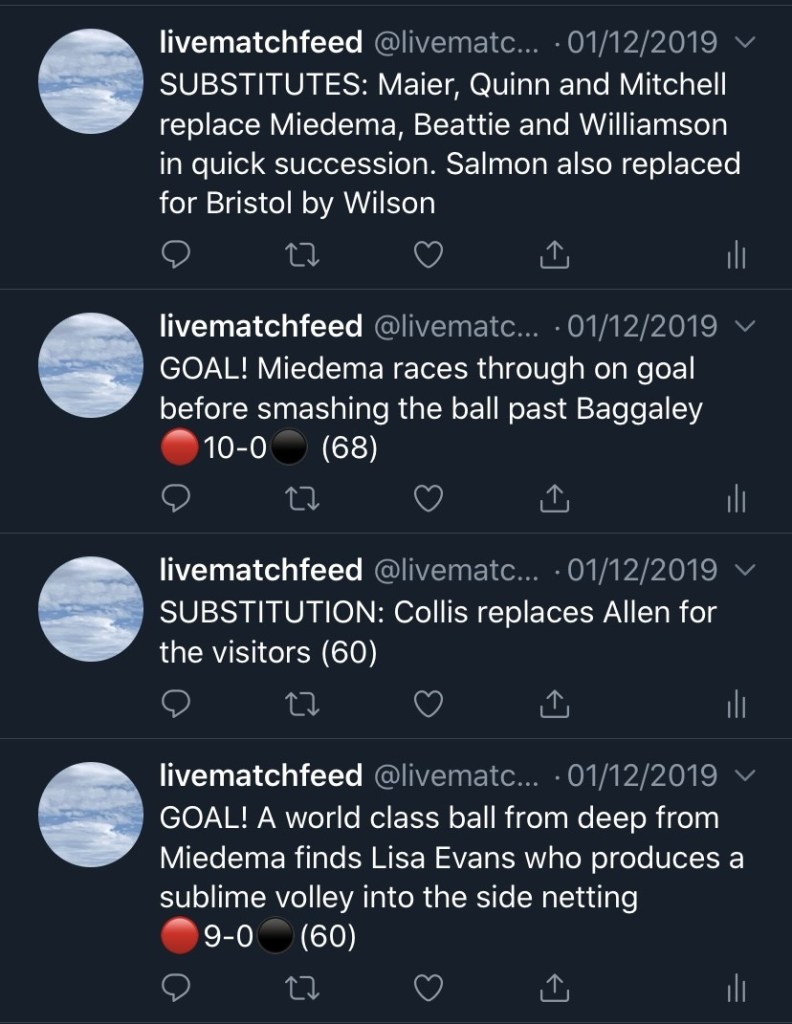
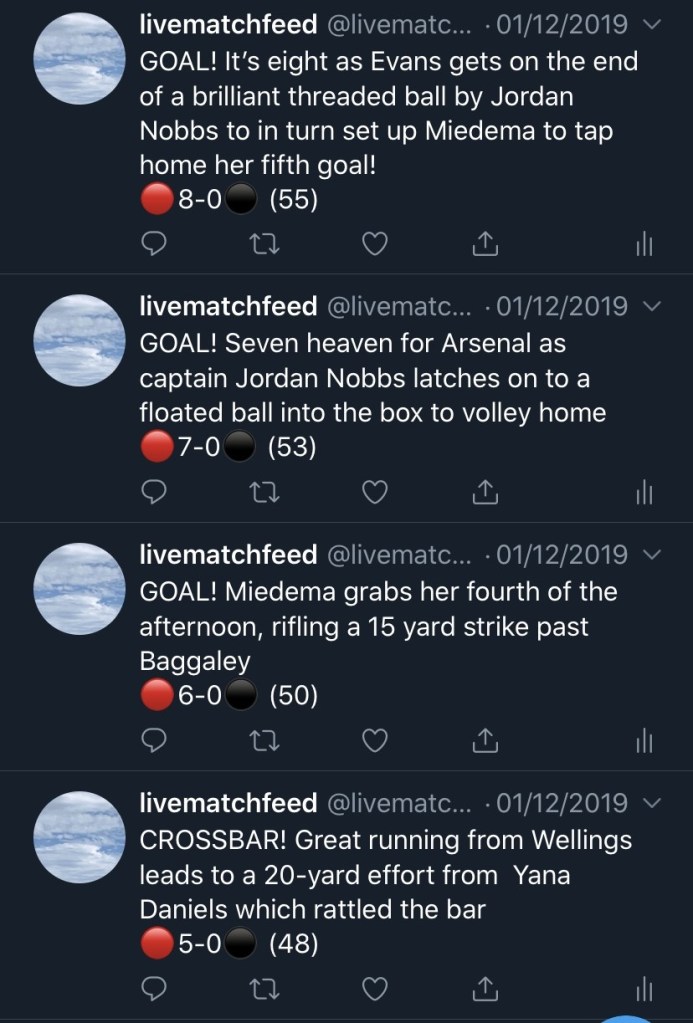
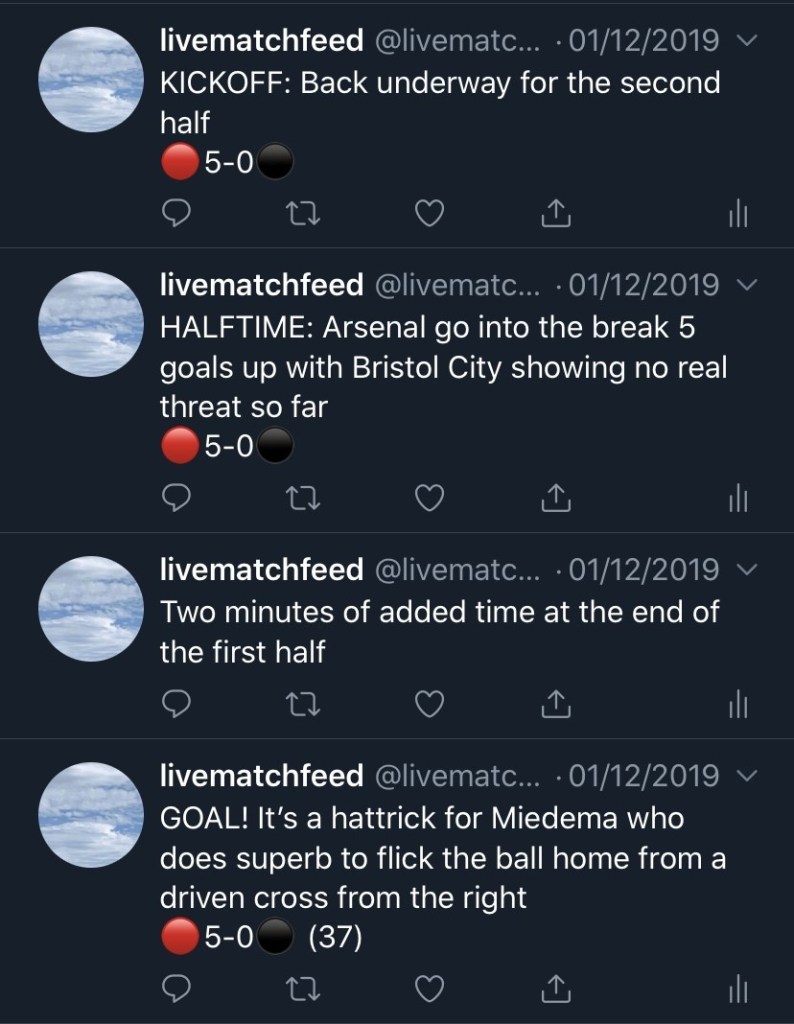
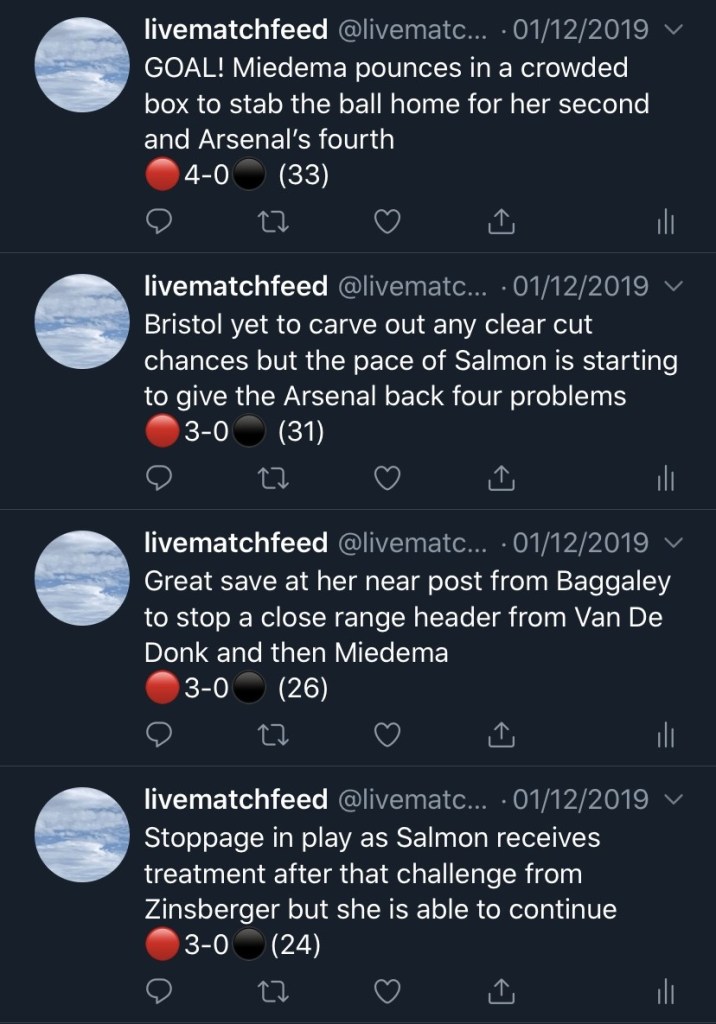
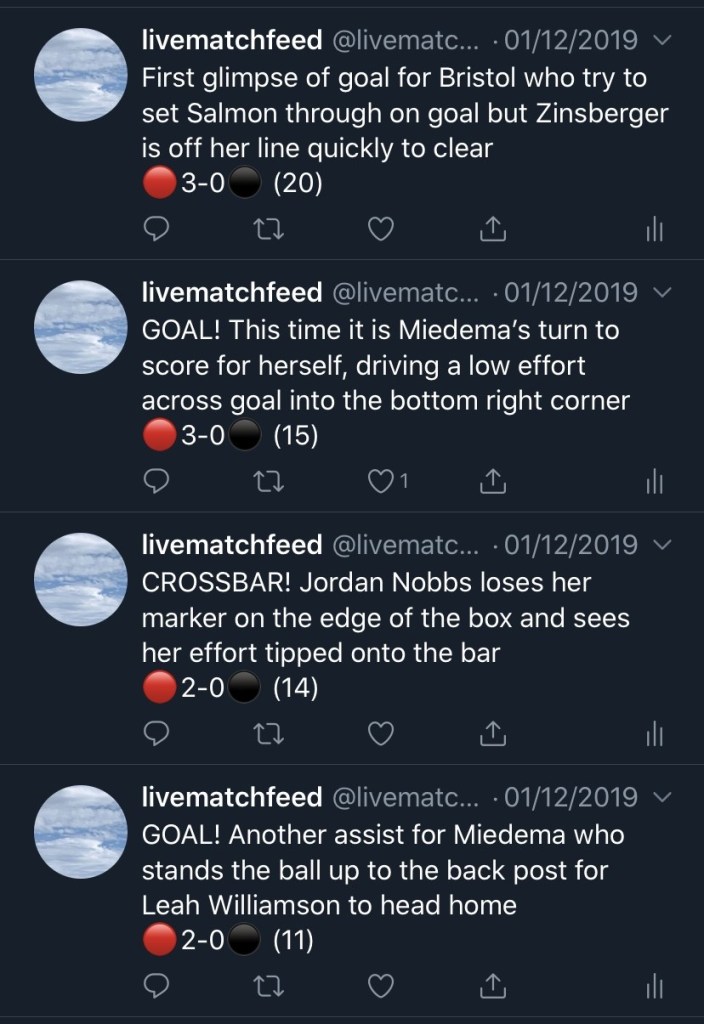
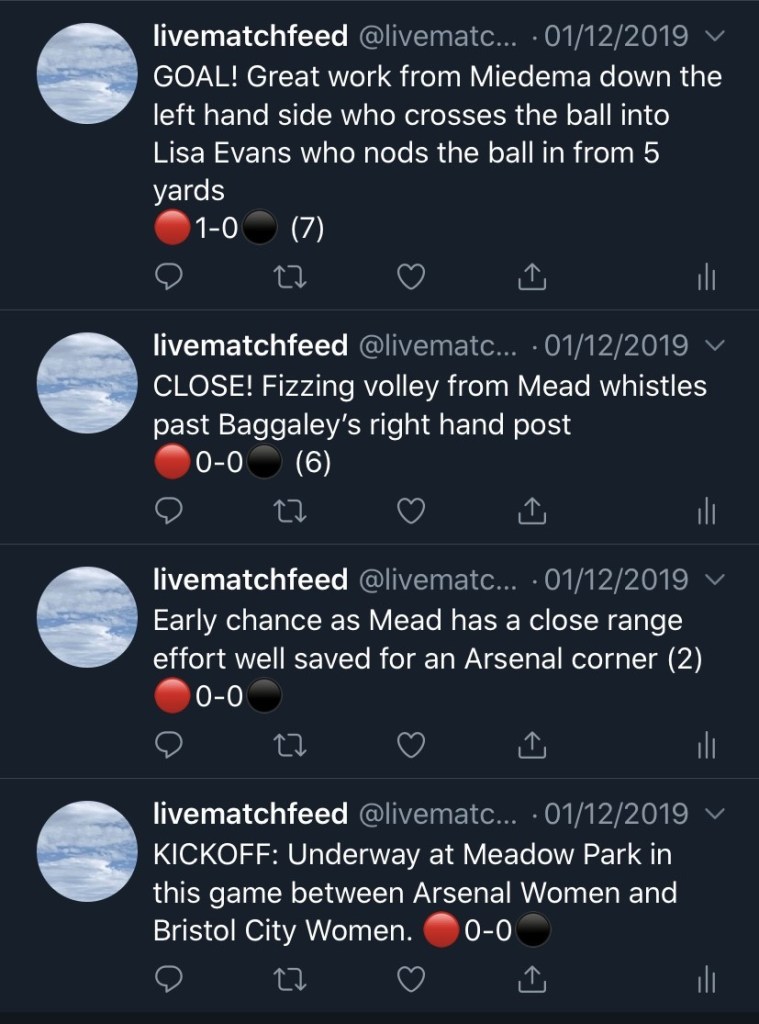
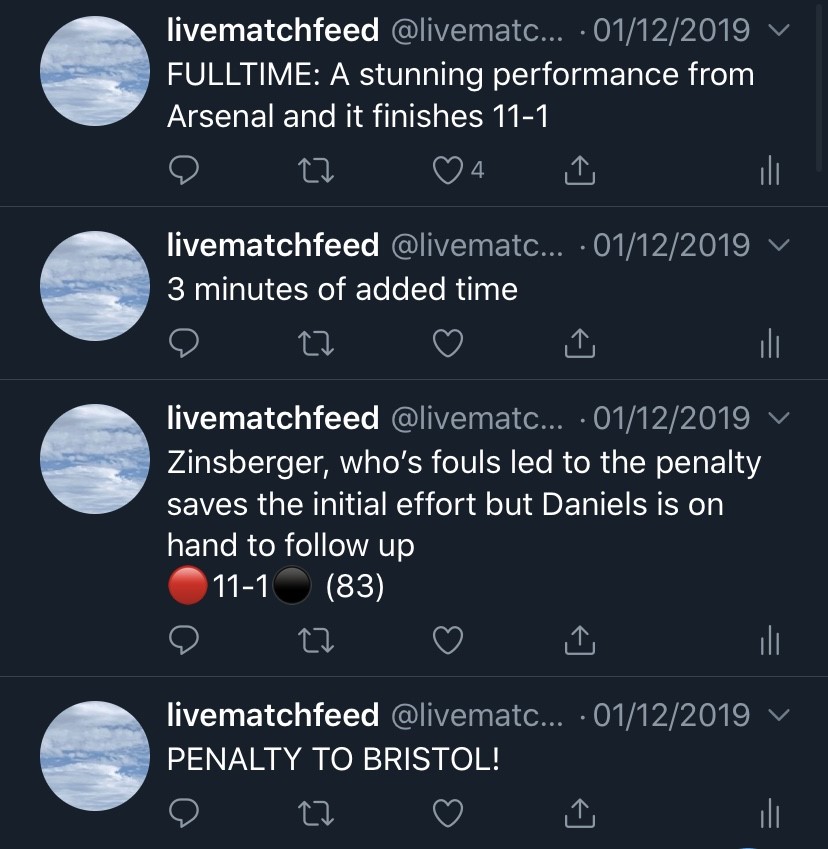
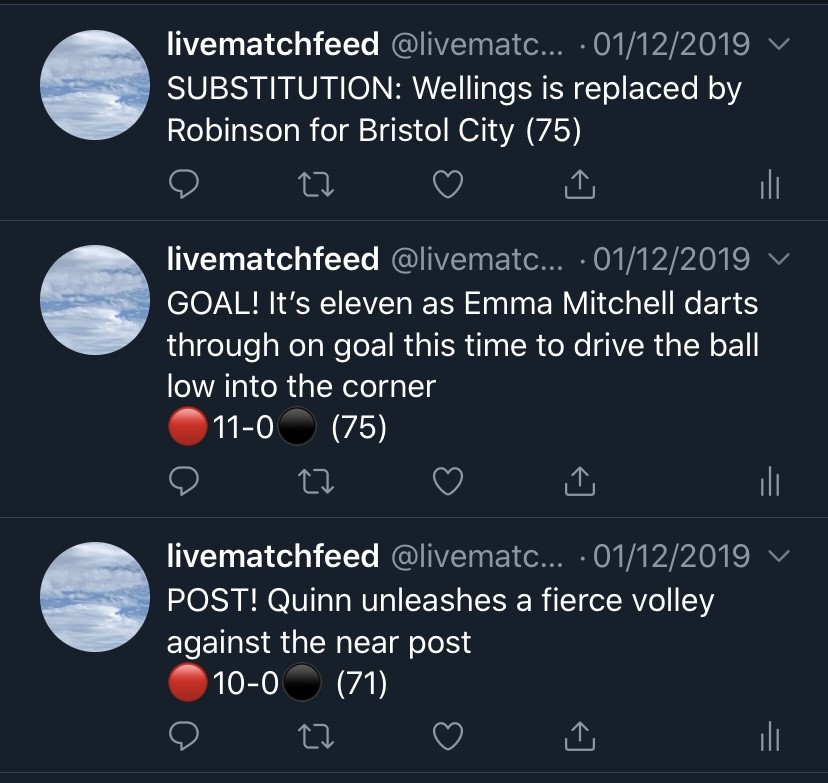
To see how similar the women’s game has become I travelled to Meadow Park in Borehamwood to watch Arsenal Ladies, globally recognised to be one of the pioneers of women’s football and the current champions of the WSL. Check out my live feed below to see how the Gunners got on against Bristol City in a Women’s Super League clash.

Eleven goals scored, ELEVEN, in a league fixture. It’s safe to say that the quality on show was immense with Arsenal’s Vivianne Miedema playing only 70 minutes, scoring six and assisting four which is unheard of in football. At the time of writing Miedema has twenty six goals and ten assists in only sixteen starts this season. If we want to compare the quality of both genders of football we have to put that into perspective, a female footballer is generating statistics like that and the team as a whole is getting results like that in the top division in one of the most competitive countries against top opposition. To really compare the two in the current poll of the Arsenal player of the month, across both genders and all age groups there are two women in the top ten and both look by the voting to have a very strong chance of winning the award. This is phenomenal when you look the the opposition they have to win the award, they could potentially beat Balon D’or nominated Pierre-Emerick Aubameyang, world class shot stopper Bernd Leno and teenage sensation Gabriel Martinelli to the award. For the women to not only mix it with such names but to beat them shows how much the gap has closed between the two genders and how underestimated the quality of women’s football is by society.

The Magic of the Cup

A cold wet night in the middle of nowhere, title challengers versus mid table, mud and studs everywhere. Sounds like a classic cup tie full of adrenaline and thrills doesn’t it? Maybe so in the magic of the men’s FA Cup but how does it transfer to the FA Women’s National League Plate, can it deliver or is it a waste of your time and money?

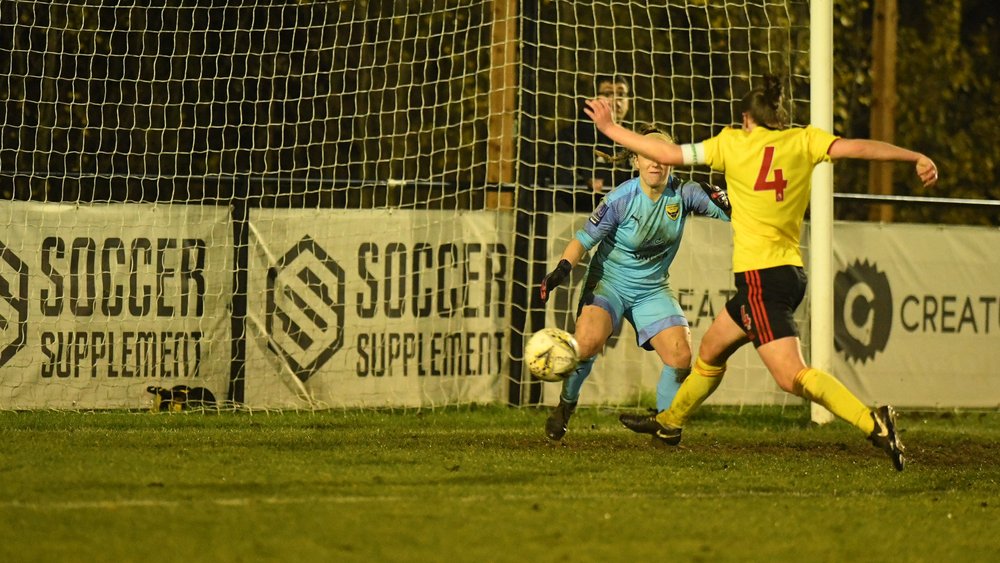
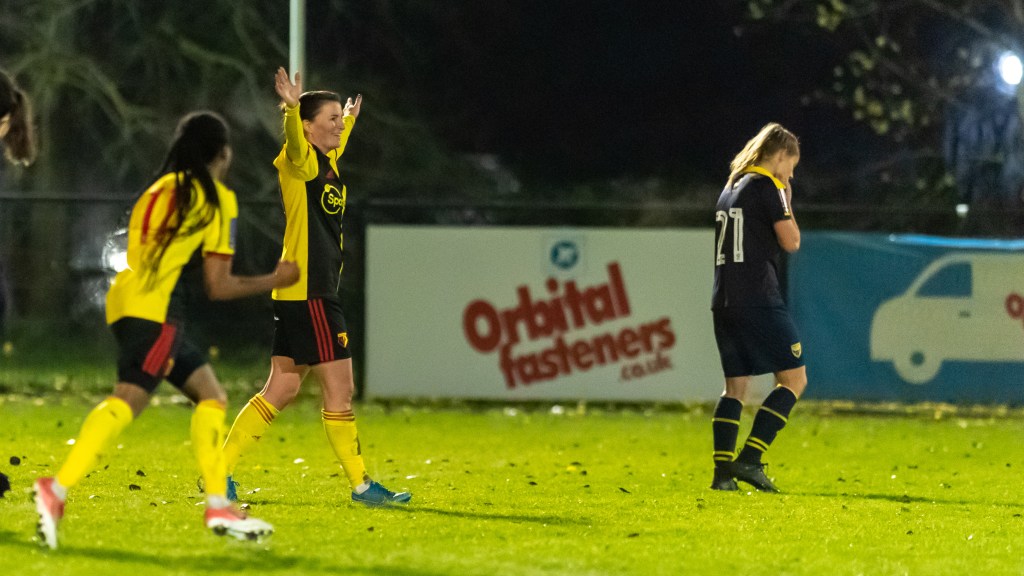
I travelled up to a little town called King’s Langley, just north of Watford to see what Watford Ladies versus Oxford United had to offer and I was definitely not disappointed. Check out my match report below to see how this breathtaking match unfolded.

Wonderful Ward winner for Watford!

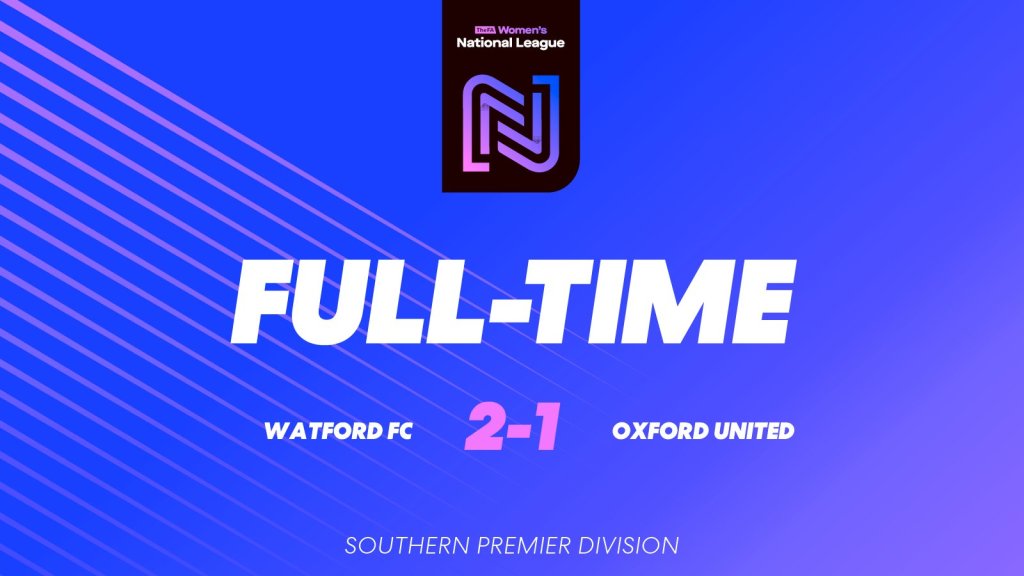
Helen Ward scored a sublime 20-yard lob to help Watford to a dramatic 2-1 victory over Oxford United in the second round of the FAWNL Plate. Late goals from Emily Hill and Helen Ward secured the Golden Girls safe passage to the third round of the FAWNL Plate on Sunday 24th November after going one goal down courtesy of Oxford United’s Cat Beaver.

It can usually be difficult playing the same opposition only six games after the previous meeting, with tactics and turning points often still being fresh in the memory of both managers and this was very apparent from the start of this game with the match shaping up much more even than the 5-2 rout just under two months ago.

Both teams came in to this fixture off the back of big wins with Watford beating Keynsham Town Ladies 7-0 and Oxford United conducting a unheard of 32-0 demolition in the county cup and once again both teams showed their potential to score goals with a multitude of chances being created throughout this tie.

Oxford United came flying out the blocks, giving the Watford rearguard some serious work to do in the first ten minutes. First came McLachian driving at the heart of the Watford defense and seeing her shot deflected narrowly past the post for a corner in the 7th minute and then Watford nearly shot themselves in the foot, failing to clear the resulting corner left the the ball bouncing all around their own penalty area and the Golden Girls could count themselves lucky to see the ball eventually launched upfield and away from goal.

Watford had luck on their side again in the 9th minute when an Oxford cross seemed to clearly strike and arm inside the box but the referee remained unmoved, much to the frustration of the Oxford players with manager Liam Gilbert appearing enraged on the sideline and perhaps rightfully so.

After being on the back foot for the early stages of the game the Golden Girls were gifted a golden chance to take the lead in the 17th minute after they hit Oxford on the break and managed to set up Adekite Fatuga-Dada at the back post who somehow managed to guide her first time volley wide from only a matter of yards.

The game continued to ebb and flow throughout the first half with both teams taking it in turns to dominate the ball and create half chances with Watford potentially considering themselves unlucky not to find themselves ahead before the half an hour mark with two quickfire chances from Emma Beckett going close, first via a 30-yard free kick and secondly from a first time shot after some brilliant wing play from Anaisa Harney.

In the 41st minute Cheryl Williams was denied a superb goal from the best part of 25-yards with Watford goalkeeper Chrissie Wiggins clawing her effort at full stretch out of the top corner but it would be Oxford who would go into the halftime break smiling when Watford once again struggled to clear the ball from a corner kick and this time they were punished when Sims headed back across goal leaving Cat Beavers the task of lashing the ball home off the crossbar and into the back of the net. Watford manager Clinton Lancaster would have been very disappointed to be going into the break a goal down with his team having more of the ball towards the end of the half but nothing to show for it. 1-0 Oxford United at the break.

Watford came out fired up for the second half with some fast tempo build up play leading to chances for O’Leary and Harney around the 50th minute which the Golden Girls couldn’t capitalise on. With Oxford pinned in Watford decided to turn to their bench to bring on 33-year old veteran forward Helen Ward and almost to immediate effect with the Welsh National teams record goalscorer being denied within minutes only by a world class last ditch tackle by defender Gemma Sims.

Oxford created their only meaningful attempt on goal in the 80th minute when McLachian threaded a beautiful ball through to Allen who in turn set up captain Kayleigh Hines who somehow couldn’t convert despite looking odds on to score.

United would come to rue that missed chance when in the 85th minute Katie O’Leary delivered a delightful ball to the back post to Emily Hill who couldn’t miss from a matter of yards to square the game and set up a final five minutes worthy of any cup tie.

It ended up being a two minute salvo for Watford with a substitute Helen Ward grabbing a late winner hardly sixty seconds after the equaliser. A failed pass into the box fell back to the forward on the edge of the box who then dispached the most delicate of Cantona-esque chips over the Oxford goalkeeper and into top right corner with a Cantona-esque celebration to match.

This goal sent the fans into raptures and despite a late push from Oxford the Golden Girls managed to see out the most dramatic of cup tie victories and will now be placed in the draw for the third round of the cup.

Big tackles, late drama and a goal fit to win any game of football at any level. It can certainly be said that the lack of entertainment and adrenaline at a women’s football match is a myth. After the match I spoke to Wales record goalscorer and Watford match winner Helen Ward which you can check out below for her thoughts of the match as a whole, her impact and a word on that unbelievable finish.

Photo credits to Andrew Waller Images, Watford Ladies.

My Experience in Women’s Football

No quality, no intensity and no entertainment. So why exactly did your average nineteen year old guy decide to get involved in such a sport? Here’s the story…

Some people say playing football is all about luck while others say it’s reliant on pure talent and as a fifteen year old boy I was privileged to blessed with neither, but what I did have was a passion to be involved in football in any way possible and an unbelievable drive to make it happen. As a child I always found myself in and out of football, coming across problems with confidence and injury and it was because of this intermittent relationship with playing the beautiful game that I found myself falling behind my peers in terms of ability but instead of giving up I chose a different path.

“You make your own luck. You know what makes a good loser? Practice”

Earnest Hemingway

Instead of giving up on football as others may do I decided to make my own luck and look for opportunities rather than waiting for them to come to me and that’s when I came across my first chance in the game, a volunteer coach at 15 years old with a junior girls team called Hampton. It was nothing glamorous but certainly a foot in the door.

The Big Break

At the end of my first season I got the big chance I had been waiting for, the club folded and one of the managers decided to move to pastures new and set up a team around the corner built for success, and he wanted me as his assistant. ICA Sports was the team, the new kids on the block and finally I had the opportunity to put my knowledge to good use. I had always been an incredibly smart and tactical football player who was great working in a team atmosphere so maybe this would be the recipe for success I had been hoping for.

Risk and Reward

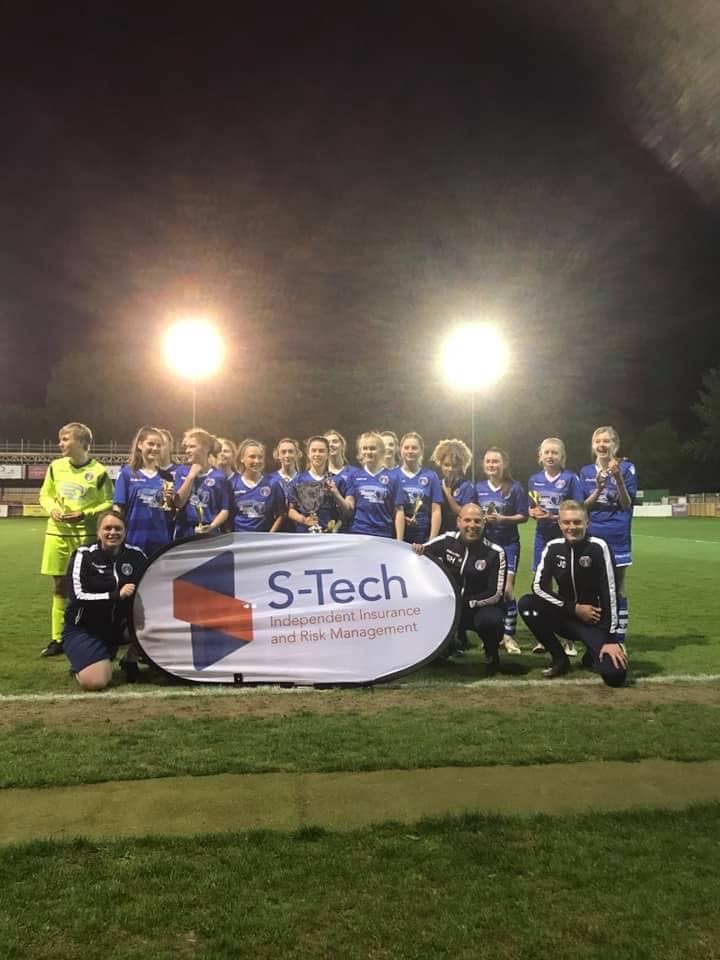
The club started off well finishing near the top of the table and winning a tournament played at the Etihad representing Arsenal as a feeder affiliate and the club pushed me to get my FA coaching qualifications and develop myself as a young coach within the ‘niche’ of women’s football. It was at this point I realised the potential of the women’s game. I was being regarded as a promising young coach, being successful and getting plenty of opportunities in a sport that is growing massively in quality and exposure every year while my friends who still had societies ‘tunnel vision’ on men’s football were struggling to find their way in their post-playing days.

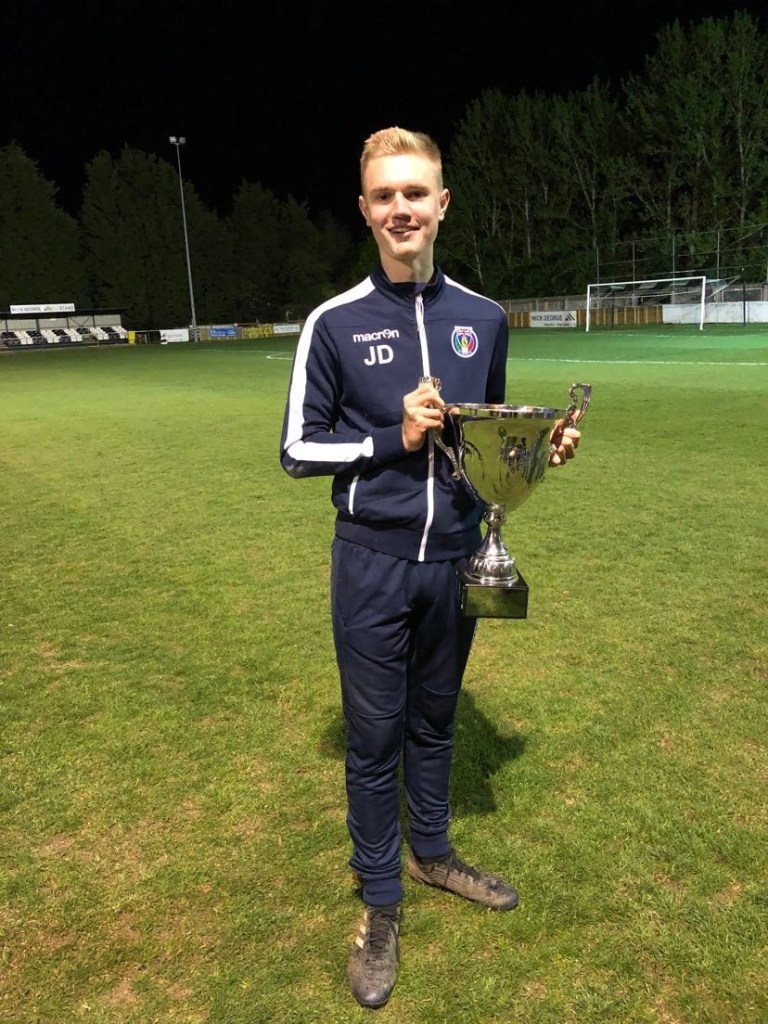
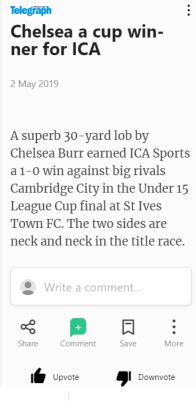
My final season with the club ended spectacularly, winning the league and cup double for the first time, our first major honours as a club so all my risks had paid off. My decision to stay in women’s football had left me turning nineteen with four full seasons as a coach, a league and cup double and to top it all off an unconditional offer to study at UCFB, one of the most well known and respecting footballing universities through an interview based on my coaching alone. My foot is well an truly wedged in the door of the footballing industry thanks to women’s football and it something I would love to continue being involved in as it grows and grows.

Design a site like this with WordPress.com
Get started